Basement Moisture In Vermont: Why Fall Is The Time To Fix It
Before finishing a basement in Vermont, the moisture problem has to be solved first. Tim Chila explains where basement water actually comes from and why diagnosing the source correctly is the only way to fix it permanently.
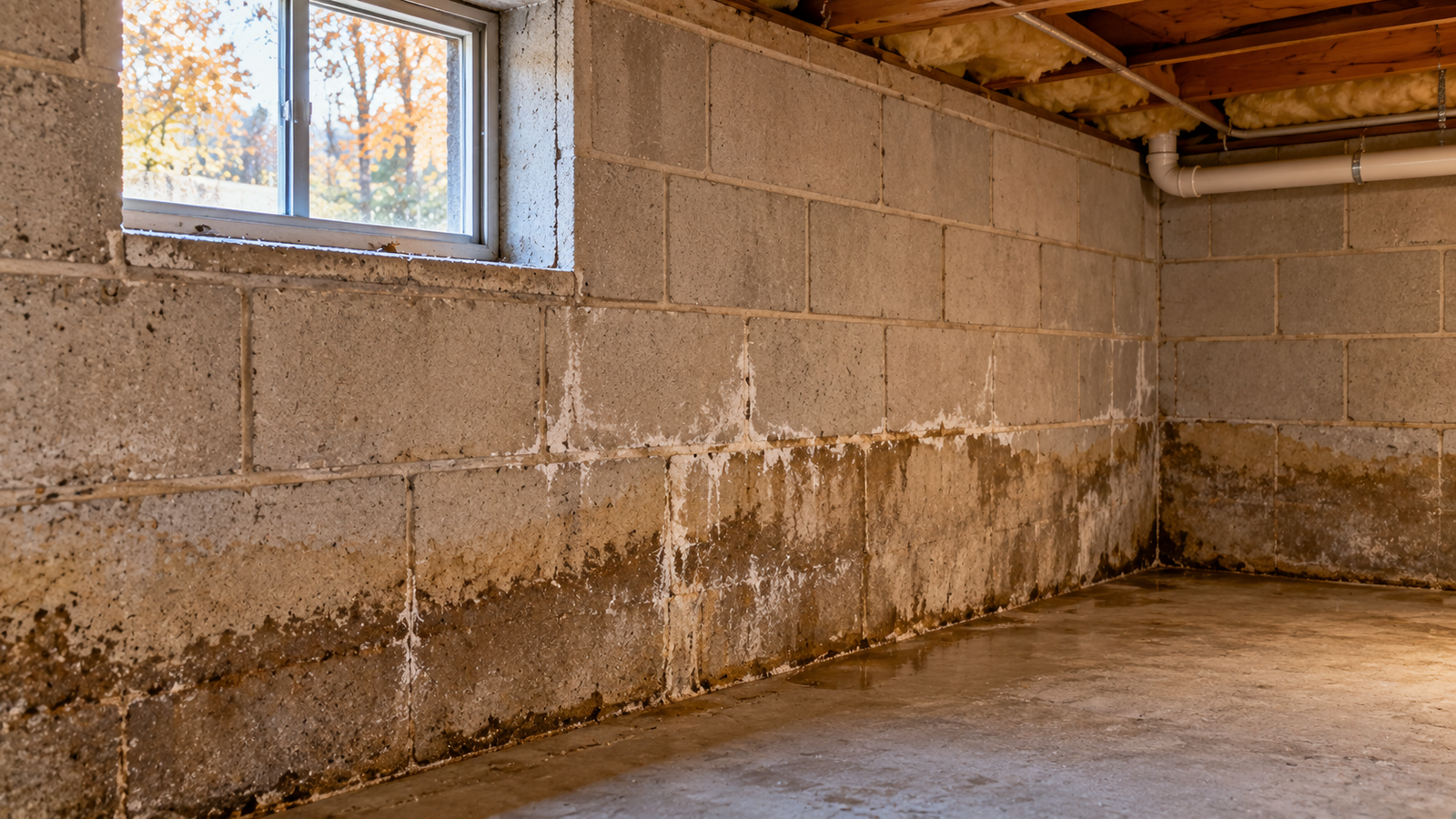
Basement moisture in Vermont comes from one of three sources: condensation from humid air hitting cool surfaces (most common in summer, not a waterproofing problem), water infiltrating through the foundation wall or floor under hydrostatic pressure (a waterproofing problem), or water entering through gaps at the foundation-sill junction or window wells (an air sealing and grading problem). The fix is completely different for each source, and diagnosing correctly before spending money is the most important step.
Why Vermont Basements Are Different From Other States
A damp basement in Vermont is a normal thing to encounter and a problem worth solving, but it is not the same problem every time, and I have seen homeowners spend significant money on the wrong solution because they did not know which one they had.
Vermont's hydrology is the issue. We have a high water table in many parts of Chittenden County from the glacial lake sediments that underlie the region. Spring snowmelt creates weeks of sustained ground saturation that pushes water against foundation walls from the outside. And our tight, heavy clay soils do not drain quickly, which means that pressure persists longer than in sandy or loamy soil.
Fall is the right time to address this for two reasons. The exterior soil is still workable if any excavation or exterior waterproofing is needed. And a fall assessment tells you whether your basement had a moisture problem this year before snow covers the evidence.
Common Questions (FAQs)
Does a sump pump solve a Vermont basement moisture problem?
A sump pump manages water that has already entered the basement, which makes it a management tool rather than a solution. In Vermont basements with a genuine infiltration problem, a sump pump combined with an interior drainage system is often the practical approach when exterior excavation is not feasible, but it does not stop water from coming through the wall. It collects and removes it before it causes damage.
Can I waterproof a Vermont basement from the inside?
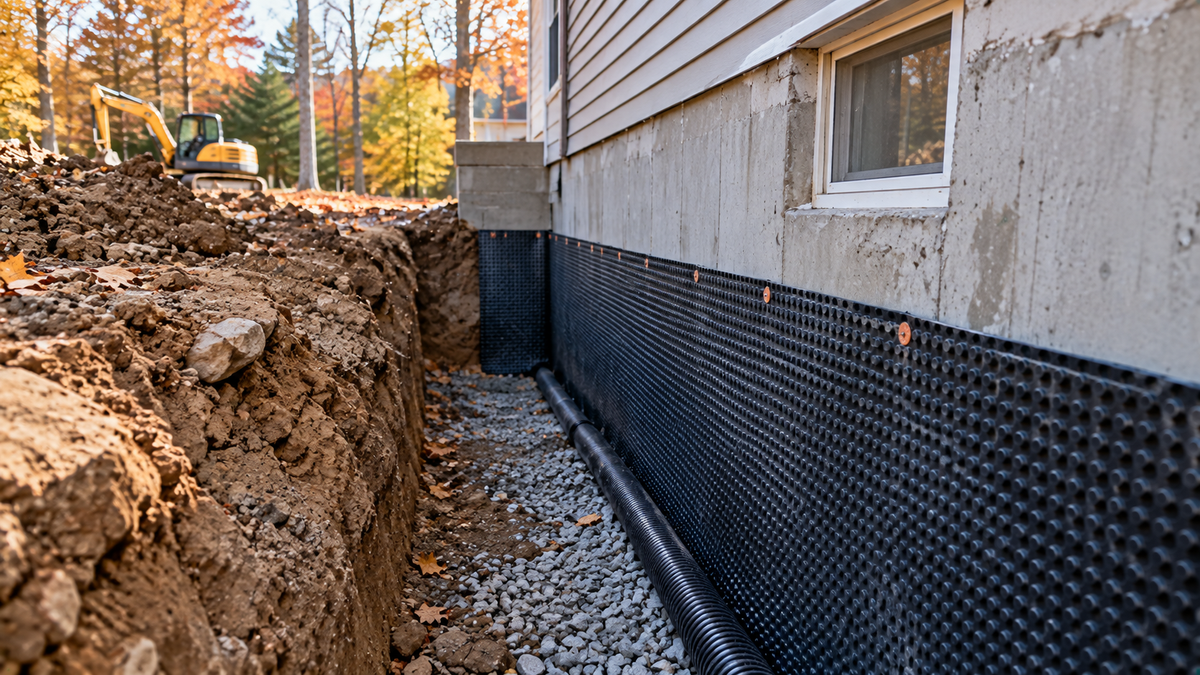
Interior waterproofing products applied to the wall face (crystalline coatings, hydraulic cement) can slow infiltration from minor seepage but do not address hydrostatic pressure from a fully saturated exterior. For significant infiltration, exterior waterproofing with proper drainage board and footing drains is more effective, though more disruptive and expensive because it requires excavation.
How do I improve the grade around my Vermont home in fall?
The target is six inches of fall over ten horizontal feet away from the foundation. In many Vermont homes the grade has settled over time and actually slopes toward the house. Adding topsoil to reestablish the positive slope away from the foundation is a fall project that can have a meaningful impact on basement moisture. It needs to be done before the ground freezes.
Should I be worried about radon in my Vermont basement?
Vermont has among the highest rates of elevated indoor radon in the country due to the granite geology underlying much of the state. Radon is a separate issue from moisture, but a basement project is a reasonable opportunity to test for it. The Vermont Department of Health recommends testing every two years or after any major renovation. Test kits are available at hardware stores and through the state.