How To Read A Vermont Home Inspection Report Before You Renovate
A home inspection report lists everything. It does not tell you what matters most, what order to fix things in, or which findings will grow into expensive problems if ignored. Tim Chila explains how to read one before you renovate.
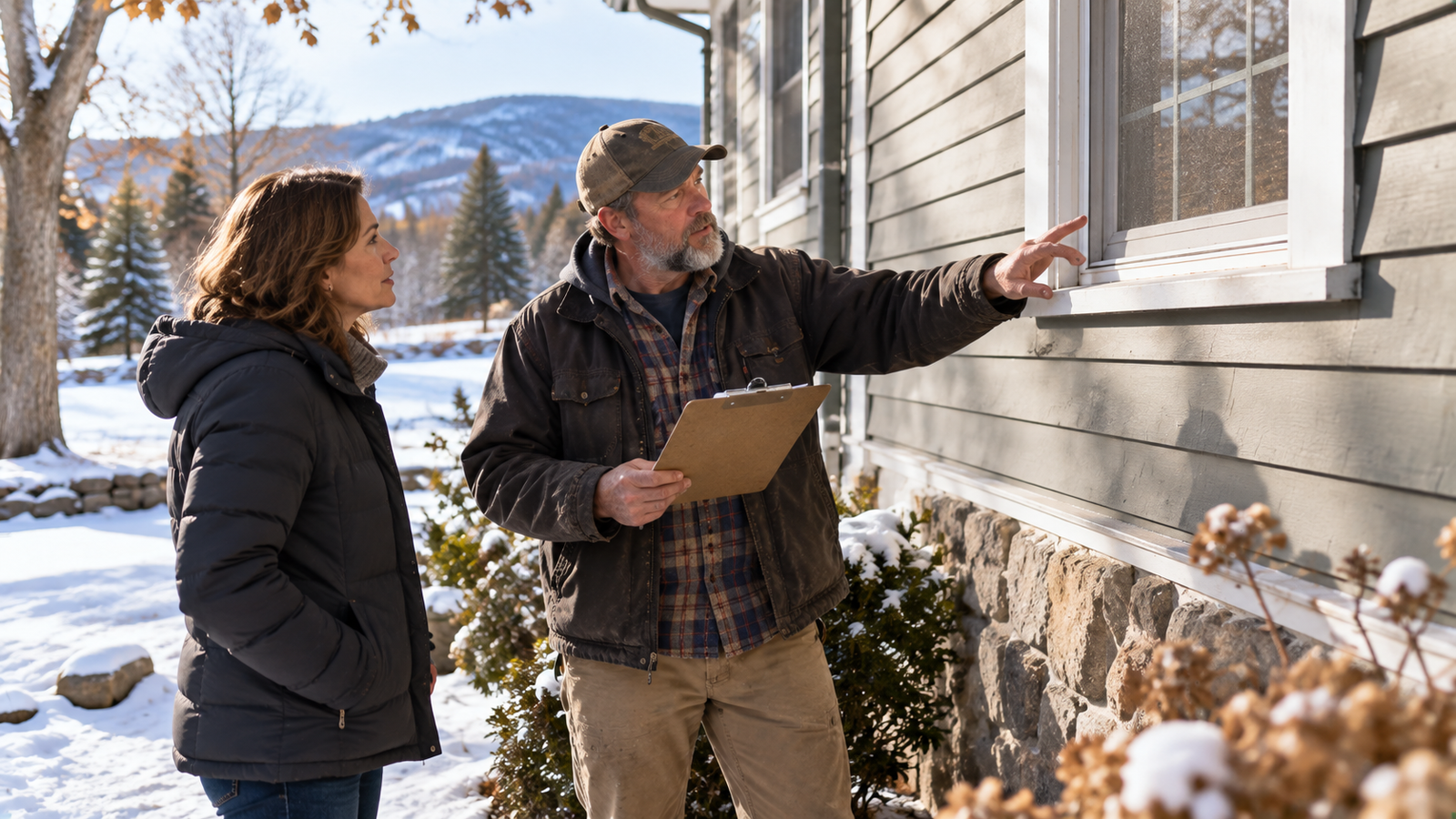
Quick Answer
A Vermont home inspection report is not a priority list. It is a legal document that catalogues every observable condition, from a missing GFCI outlet to a failing foundation, with roughly equal visual weight. Before planning any renovation, the report needs to be read through the lens of consequence: structural and safety findings first, water and moisture intrusion second, mechanical systems third, and cosmetic items last. In an older Vermont home, the order you address these in determines whether your renovation budget goes toward improvement or emergency repair.
What a Home Inspector Is Actually Telling You
I have looked at a lot of home inspection reports over the years, usually because a homeowner has just bought a property and is trying to figure out where to start. The reports from good inspectors are thorough and honest, and they are also genuinely hard to interpret if you have not spent time in construction.
Bucket One: Structural and Safety Findings
Structural findings and life-safety findings go first regardless of cost because they are the ones that determine whether the house is safe to occupy and whether subsequent renovation work can be planned with confidence. Addressing these out of order means renovating around a problem that will require undoing the renovation work to fix.
In Vermont homes, the structural findings that most commonly appear in older property reports are: inadequate bearing at beam ends, missing headers above openings, signs of foundation movement or water infiltration, previous load-bearing wall modifications without proper replacement structure, and roof framing undersized for Vermont snow loads.
Life-safety findings include knob-and-tube wiring in contact with insulation, abandoned fuel tanks, improperly vented heating appliances, and missing smoke or CO detectors. These have no sequencing flexibility.
Bucket Two: Water and Moisture Intrusion
Any finding that involves water getting into the structure, whether through the roof, the foundation, window and door flashing, or plumbing leaks, goes in bucket two because water damage in Vermont homes compounds through every winter and cosmetic renovation work done over an active moisture problem will need to be redone.
The Vermont moisture findings that show up most in older Chittenden County properties are: failed ledger flashing, ice dam staining on interior ceilings near exterior walls, foundation wall efflorescence indicating seasonal infiltration, and improperly graded soil directing water toward the foundation.
A renovation built over an unsolved moisture problem will need to be partially redone. In whole-house renovations, this is the pattern I see most: cosmetic items addressed first, moisture findings deferred, and two years later the moisture findings have become structural ones.
Bucket Three: Mechanical Systems
Heating, plumbing, and electrical findings go in bucket three because they affect the livability of the house and because mechanical work needs to be completed before walls are closed in and finishes are applied in any renovation sequence.
In Vermont, heating system findings carry the most consequence of any mechanical item. A boiler at the end of its service life is a January emergency waiting to happen. Inspectors note the age and condition but do not always convey the urgency of addressing it before the first cold snap.
Electrical panel findings come next. A panel at capacity, with double-tapped breakers, or of a brand with a known failure history (Federal Pacific and Zinsco panels appear regularly in Vermont homes from the 1960s through 1980s) needs to be addressed before adding circuits for a kitchen or bathroom renovation.
Bucket Four: Cosmetic and Deferred Maintenance
Cosmetic findings, minor deferred maintenance, and items the inspector flagged for monitoring rather than immediate action go last, not because they are unimportant, but because addressing them before the first three buckets means spending renovation budget on finish work that may need to be disturbed when the real problems are fixed.
This sequencing is exactly what construction management and project oversight prevents: renovation budget consumed by rework because the underlying problems were not addressed first. An experienced contractor reading an inspection report can tell you what order to fix things in and which findings will compound if deferred.
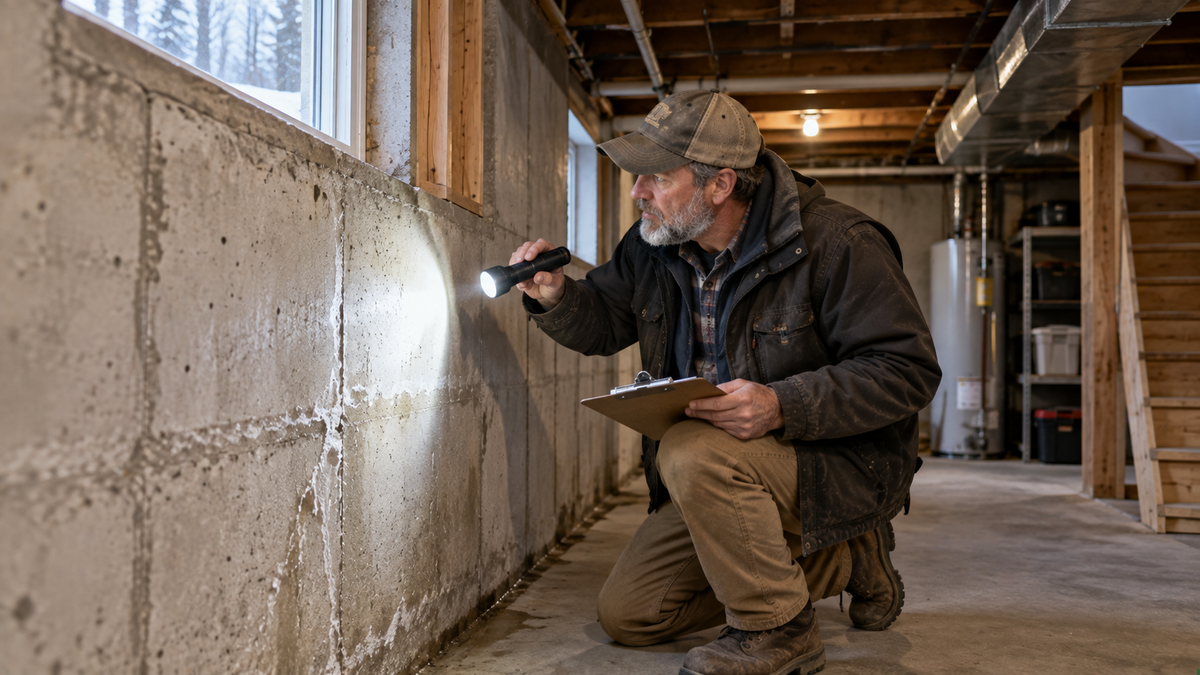
Let's Go Through Your Report Together
If you have a home inspection report and are trying to figure out where to start, give me a call. I will read through it with you, sort the findings by consequence and sequence, and give you a realistic picture of what the renovation path looks like.
Call me at (802) 585-9112 or send a message.
Common Questions (FAQs)
Should I get a contractor to review my home inspection report before closing?
Yes, especially if the house is older or the inspection flagged structural or moisture findings. An inspector identifies conditions. A contractor tells you what it costs to address them and can inform your negotiation before closing.
Which home inspection findings are most commonly underestimated in Vermont?
Ice dam staining on interior ceilings and a heating system noted as aging. Ice dam staining indicates inadequate attic insulation that will repeat every winter until addressed. An aging heating system in Vermont may be one cold season from failure.
How do I find a contractor for pre-renovation inspection review in Vermont?
Ask for a contractor with experience in the age and type of house you are buying. A contractor who has worked extensively on pre-1960 Vermont homes understands balloon framing, plaster walls, and knob-and-tube wiring in a way a new-construction contractor may not.
Can a contractor give me a renovation estimate from the inspection report alone?
A rough order of magnitude, yes. An accurate estimate requires a site visit because inspection reports include photos but not measurements, and cost depends on what is found when walls or floors are opened.