Getting Your Vermont Home Ready Before Ski Season
Every September, homeowners across Chittenden County and the ski corridors realise they have about eight weeks before the cold locks them out of certain projects. Tim Chila explains what to do first and why the order matters.
Quick Answer
The projects that must happen before November in a Vermont home are the ones where freezing temperatures either make the work impossible or turn a small problem into a large one: heating system checks, exterior waterproofing, weatherstripping and air sealing, and any plumbing in unheated spaces. Everything else, interior cosmetic work, cabinetry, built-ins, flooring, can and often should wait until winter when contractors have more availability and lead times on materials are shorter.
Why September Is the Most Important Month for Vermont Homeowners
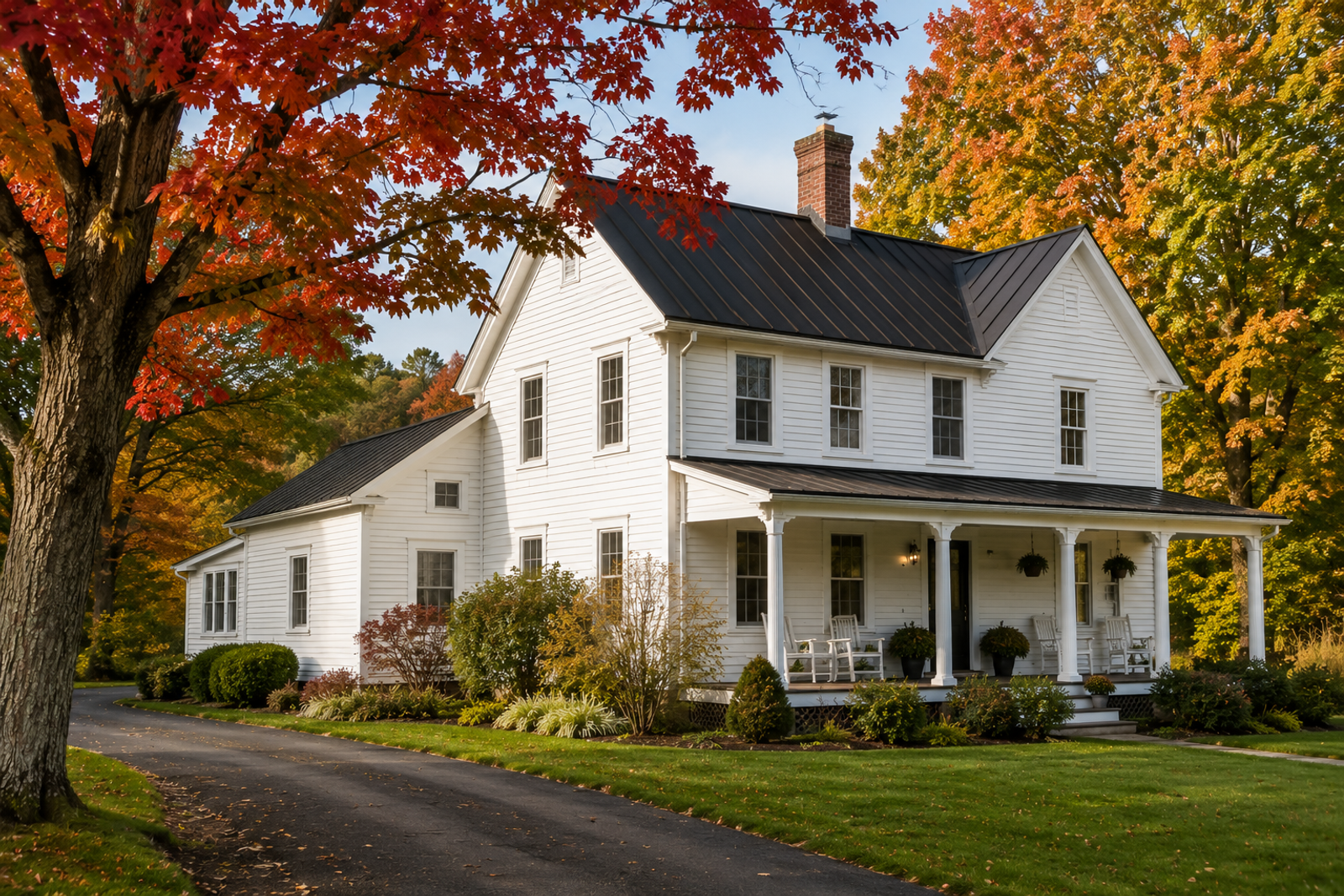
September in Vermont has a particular feeling for anyone who has lived here long enough. The light changes, the nights get cold, and there is a specific anxiety that sets in for homeowners who know they have things that should have been done over summer. By October, some of those projects are no longer possible. By November, some of them are genuinely urgent.
I get more calls in September than almost any other month, and most of them start the same way: someone has noticed something they wish they had dealt with in July. A draft around a window that did not bother them in July. A deck board that is soft and starting to rot. A heating system that has not been serviced since the previous owner. These are September problems, and the window to address them properly is closing fast.
What Must Be Done Before the Ground Freezes
The projects that cannot wait past October are the ones that either become physically impossible in frozen ground or that will cause cascading damage through the winter if left: heating system servicing, exterior waterproofing at foundations and window wells, and any plumbing in unheated spaces like garages or crawlspaces.
The heating system is first. In Vermont, a boiler or furnace that fails in January is not an inconvenience. It is an emergency that costs two to three times more to fix than the same repair done in September, because every HVAC contractor in the state is at capacity in January. A service call now costs a fraction of an emergency call in February, and it tells you whether you have a problem before the temperature drops.
Exterior waterproofing is second. Water that gets behind siding or into a foundation crack in September will freeze in November, expand, and make a small crack into a large one. Caulking around windows, resealing foundation penetrations, and clearing window wells so they drain properly are all September jobs. They take a few hours and they prevent structural damage that costs thousands.
The third priority that most homeowners miss is unheated plumbing. Pipes in an attached garage, in a crawlspace, or in an addition that is not properly insulated are a burst pipe waiting to happen. This is one of the most expensive insurance claims in Vermont and one of the most preventable.
What Can Wait Until Winter (and Why Winter Is Actually Better)
Interior projects including kitchen and bathroom remodeling, custom woodwork, built-ins, flooring, and basement finishing are often better done in winter in Vermont, because contractor availability is higher, material lead times from suppliers are shorter, and the work does not compete with outdoor projects for scheduling.
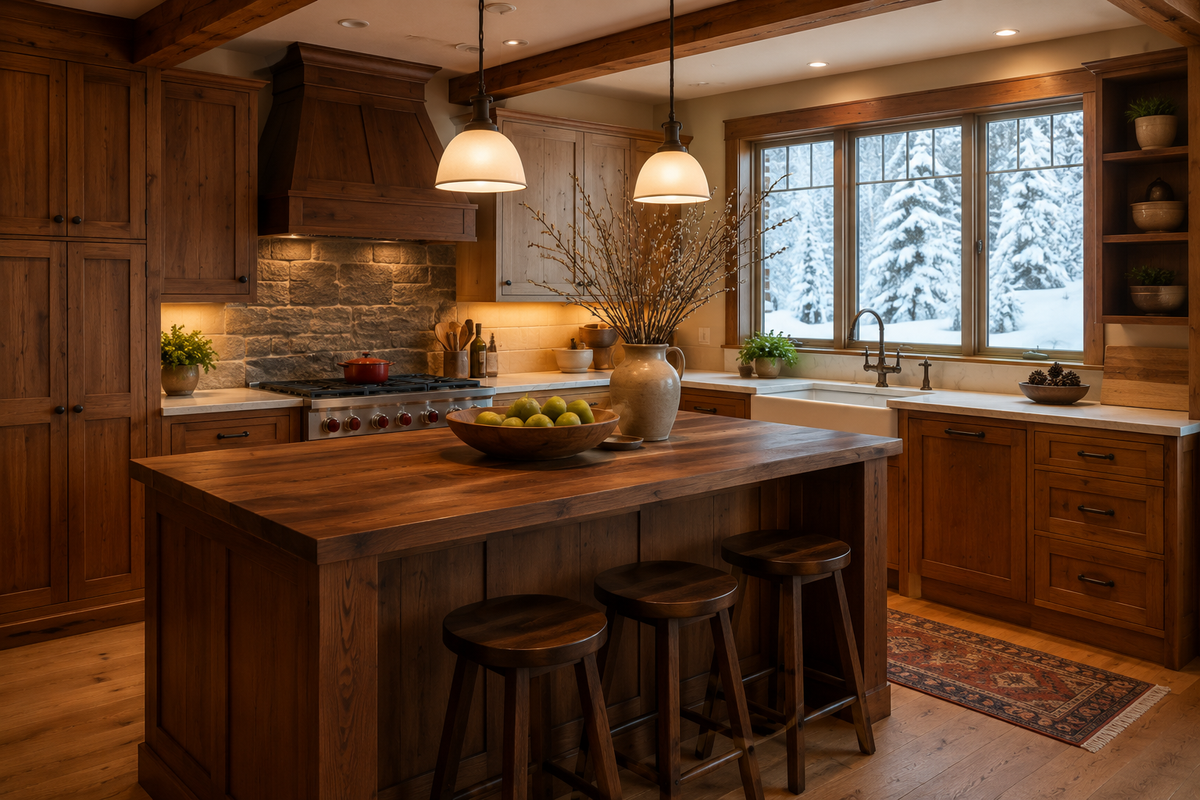
This is something I tell every homeowner who calls me in a panic in September wanting to start a kitchen remodel. Unless the kitchen has a specific issue that is getting worse, it is almost always better to plan the kitchen in September and October, finalise the design and get the transparent, itemized estimate done, and start the build in January or February. The custom cabinet lead time that stretches to twelve weeks in the busy season often drops to six weeks in January. The tile setter who could not start until March in the summer backlog can often start in two weeks in winter. Winter is genuinely a better time to build indoors in Vermont, and most homeowners do not know that.
Let's Talk About Your Fall Priority List
If you are not sure what needs to happen before November on your property, give me a call. I will tell you honestly what is urgent, what can wait, and what will cost you more if you leave it.
Call me at (802) 585-9112 or send a message through the website.
Common Questions (FAQs)
When is the last date to start exterior work in Vermont before winter makes it impossible?
For most exterior work including painting, caulking, and deck sealing, the practical cutoff is when overnight temperatures consistently drop below 40 degrees Fahrenheit, which in Chittenden County typically happens in mid to late October. Concrete and masonry work has a harder cutoff because it needs sustained temperatures above freezing to cure properly.
Is it actually cheaper to remodel in winter in Vermont?
Often yes, for interior work. Contractor availability is higher, and some material suppliers offer better lead times and occasionally better pricing during their slower season. The savings are not dramatic, but the scheduling flexibility is real and the lead time reductions on custom items like cabinetry can be significant.
What should a ski property owner do before closing the house for the season?
For an unoccupied property: drain and winterize plumbing that will not be heated, confirm the heating system is set to at least 55 degrees if pipes stay active, clear gutters before the first freeze, and check the roof for any damaged areas before snow load arrives.
Can you do exterior waterproofing work in October in Vermont?
Yes, typically through October if temperatures are above 40 degrees during application. Caulking and sealants need time to cure before freezing, so we schedule these jobs early in October.